
Case Study Kenya: Dutch–Kenyan Partnership
A collaboration between Dutch agribusiness investors and Kenyan farmer cooperatives helped boost yields, ensure EU-standard compliance...
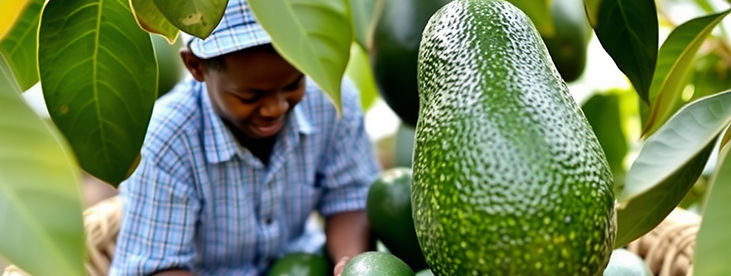
Over the past decade, Kenya has emerged as one of the fastest-growing exporters of avocados to the European Union (EU). This growth has been particularly significant in exports to the Netherlands, which serves as a key logistical and distribution hub for fresh produce entering Europe.
The rapid expansion of Kenya’s avocado sector has not occurred by chance. It is the result of strategic collaboration between Kenyan farmer cooperatives and Dutch agribusiness investors. These partnerships have focused on improving production quality, strengthening supply chains, and ensuring compliance with strict EU import standards. This report examines how these efforts transformed Kenya into a competitive player in the global avocado market and highlights lessons for other agricultural export sectors.
Kenya’s Avocado Sector
Agriculture plays a central role in Kenya’s economy, employing a large share of the population and contributing significantly to export earnings. In recent years, avocados—particularly the Hass variety—have become a high-value export crop.
Smallholder farmers dominate avocado production in Kenya. While this structure offers opportunities for inclusive growth, it also presents challenges such as inconsistent quality, limited access to global markets, and inadequate post-harvest infrastructure. Additionally, the European market imposes strict phytosanitary and quality requirements, which many producers initially struggled to meet.
Recognizing these constraints, Kenyan stakeholders partnered with Dutch investors to modernize the sector and align it with international standards.
The Kenya–Netherlands Avocado Partnership
The collaboration between Kenyan cooperatives and Dutch agribusiness firms focused on strengthening the entire value chain—from farm production to export logistics. Key components of the initiative included:
Investment in post-harvest infrastructure such as sorting, grading, and cold storage facilities
Farmer training programs on best agricultural practices
Establishment of shared quality testing laboratories
Development of direct export relationships with European buyers
The Netherlands played a crucial role not only as an investor but also as a gateway to the EU market, leveraging its advanced logistics networks and expertise in agricultural trade.
Key Success Factors
Investment in Cold-Chain and Post-Harvest Systems
Dutch investment in cold-chain infrastructure significantly improved the quality and shelf life of Kenyan avocados. Facilities for sorting, grading, and refrigerated storage ensured that fruits met EU standards upon arrival. These improvements reduced post-harvest losses and increased the reliability of supply.
Capacity Building for Farmers
Training programs were a cornerstone of the initiative. Farmers were educated on:
Optimal harvest timing to ensure proper fruit maturity
Safe and regulated use of pesticides
Traceability practices required for export certification
These efforts improved both yield and quality, enabling smallholders to meet the expectations of international buyers.
Strengthening Phytosanitary Compliance
Shared quality laboratories, funded by Dutch partners, allowed for rigorous testing of produce before export. This ensured compliance with EU phytosanitary regulations, reducing the risk of rejected shipments and enhancing Kenya’s reputation as a reliable supplier.
Direct Trade Relationships
The establishment of direct contracts between Kenyan cooperatives and European buyers eliminated multiple intermediaries. This not only streamlined the supply chain but also allowed farmers to receive higher prices for their produce.
Conclusion
The transformation of Kenya’s avocado export sector illustrates how targeted investment, capacity building, and international collaboration can unlock significant economic potential. By leveraging partnerships with the Netherlands, Kenya has successfully positioned itself as a major supplier to the European market.
This model highlights the importance of integrating smallholder farmers into global value chains while ensuring quality, efficiency, and sustainability. As global demand for fresh produce continues to grow, similar approaches can help other countries enhance their competitiveness and achieve inclusive economic development.
References
World Bank. (2020). Improving Agricultural Value Chains in Africa.
Food and Agriculture Organization (FAO). (2021). Avocado Market Trends and Production Guide.
Centre for the Promotion of Imports from Developing Countries. (2022). Exporting Avocados to Europe.
Kenya Export Promotion and Branding Agency. (2023). Horticultural Export Performance Report.
Dutch Ministry of Foreign Affairs. (2021). Agricultural Trade Partnerships in Africa
A call to action
We’d love your input!
Your experience and perspectives are crucial in ensuring the reports remain accurate, practical, and beneficial for all stakeholders engaged in trade between the Netherlands and East Africa.
Subtopics
More in this category

Case Study: Ethiopia
Ethiopia’s renowned coffee sector partnered with Dutch blockchain and logistics firms to launch a traceability project.

How a Kenyan Flower Exporter Succeeded in the Dutch Market
Success in the Dutch market today requires more than volume: it demands quality, sustainability credentials, strong logistics partners, and creative channel strategy.

Case Study Tanzania: Cashew Export Modernization Supported by Dutch Buyers
Dutch buyers partnered directly with Tanzanian processors to increase quality, packaging standards, and export readiness.

Lessons from a Dutch SME Importing East African Coffee
Companies that succeed in coffee exports combine quality sourcing, value-added relationships with cooperatives, and resilient logistics.

Case Study Uganda: Coffee Supply Chains Linking to Dutch Roasters
A leading Dutch roaster partnered with a Ugandan cooperative helping farmers raise cupping scores and earn premium prices.

Challenges & Success Stories in Cross-Continent Trade
The most successful players in Import & Export are those who treat trade as integrated product + logistics + finance exercises.
Related content

Case Studies
Case studies provide real-world examples of how businesses and development partners collaborate to unlock trade potential.

Emerging Markets & Shifting Global Demand
Global demand patterns are shifting, Dutch exporters and trade promotion agencies should read the developments correctly and act upon them.

Share New Projects and Opportunities
For businesses in the Netherlands–East Africa trade network, showcasing new projects and opportunities is a powerful way to attract collaborators.

Growth in Emerging Regions
Recent economic dynamism is reshaping import demand and export potential. East African countries have seen robust urbanisation and sectoral diversification that created large market clusters.

Celebrate Your Achievements and Inspire Others
By sharing your achievements, you’re not just highlighting your own success — you’re giving others the courage to take their next step.

Changing Product Mix
East Africa’s export profile to Europe (and its import needs) is shifting from raw commodities to higher-value horticulture, processed foods, and certified agricultural products
Main categories

Global Trends: The New Architecture of International Trade
A complex interplay of geopolitical shifts and technological breakthroughs have fundamentally restructured how goods and services move across borders.

Boost Your Business Today
In today’s fast-paced world, growth is about more than just having a great idea — it’s about making the right connections, sharing knowledge, and creating opportunities.

Resources for Import & Export
Resources for Import & Export” brings together practical information and digital assets that help businesses navigate the complexities of international trade.