
Emerging Markets & Shifting Global Demand
Global demand patterns are shifting, Dutch exporters and trade promotion agencies should read the developments correctly and act upon them.

Global demand patterns are shifting: rising incomes, faster urbanisation, deeper regional integration in Africa, and supply-chain diversification in Europe are reshaping what countries import and export. For the Netherlands, a highly trade-dependent economy, East Africa is moving from a peripheral supplier of raw commodities to a region offering higher-value agricultural goods, logistics opportunities, and growing demand for Dutch technology and services.
This shift is driven by recent developments: the expansion and modernisation of East African logistics hubs; policies to strengthen intra-African trade (AfCFTA progress and regional payment initiatives); and stronger buyer demand in Europe for certified, sustainable products.
Three sub-topics frame how Netherlands ↔ East Africa trade should be read and acted on:
• Growth in Emerging Regions— East Africa’s faster GDP and urban growth (esp. Kenya, Ethiopia, Tanzania, Rwanda) is enlarging middle-class demand for consumables, processed foods, and equipment. Port and rail upgrades (Mombasa, Lamu, Dar) are reducing transit friction but also changing where and how Dutch exporters and logistics firms engage.
• Changing Product Mix — East Africa’s exports to Europe are evolving from bulk commodities (tea, coffee) toward horticulture, processed foods, and value-added agri-products. At the same time, Dutch exports to East Africa increasingly include agri-tech, cold-chain equipment, and green technologies. Recent sustainability certification trends in Kenyan floriculture exemplify this transition.
• Services — Trade in services (logistics, fintech, digital platforms, consulting, education, and remote professional services) is rising. Regional digital payment initiatives and cross-border fintech lower friction for SMEs trading across East Africa and with Europe—opening avenues for Dutch fintech, legal, and advisory services.
Remarks : Dutch exporters, trade promotion agencies, and investors should
(1) prioritise partnerships with certified suppliers (sustainability and traceability),
(2) map logistics corridors to target ports/rail hubs becoming more important (Mombasa, Lamu, Dar), and
(3) invest in services — payments, trade finance, and digital trade facilitation — enabling SMEs in East Africa to scale exports to Europe. Use bilateral development & trade programmes to co-finance certification, cold chain, and digital payment pilots.
Your Insights Needed
This topic is evolving fast, and your experiences and views are essential.
Which new trends or shifts have you seen or experienced in the NL–East Africa import/export space?
Your remarks, examples, and input will help sharpen the full article and highlight the most relevant opportunities for businesses, policymakers, and innovators on both sides.
👉Interested in learning more about these topics?
Explore a detailed description of each topic in the section below, “Subtopis”
👉Join the Conversation
We invite you to share your insights, experiences, or questions on this evolving topic.
• Leave a comment in our discussion box
• Contribute to our blog section
• Or submit a detailed document (PDF) for review and publication consideration
Subtopics

Growth in Emerging Regions
Recent economic dynamism is reshaping import demand and export potential. East African countries have seen robust urbanisation and sectoral diversification that created large market clusters.

Changing Product Mix
East Africa’s export profile to Europe (and its import needs) is shifting from raw commodities to higher-value horticulture, processed foods, and certified agricultural products
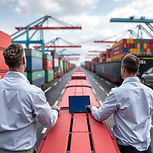
Services - The Next Frontier of Trade
Services trade is becoming a critical pillar of global commerce — and East Africa is emerging as a dynamic hub for digital, logistics, and creative services connecting to European markets.
More in this category

Digitalization in Trade: Blockchain, Finance Innovation, and Compliance Tools
From blockchain-enabled traceability to AI-driven compliance systems, digitalization is rapidly reshaping how trade is conducted, financed, and verified.

Resilience & Risk Management
In an era of rising geopolitical uncertainty, climate shocks, and global trade disruptions,resilience and risk-management are central to sustaining and growing import-export trade.

Sustainability, Data & Trade Tech: Redefining Import & Export in a Changing Global Landscape
Sustainability reflects how environmental goals, advanced data systems, and emerging trade technolog are interconnected forces shaping modern import and export dynamics.

Trade Policy, Geopolitics & Supply Chain Resilience
As Dutch and East African businesses work to strengthen import and export flows, supply chain resilience has become a strategic priority rather than a technical detail.
Related content

Attract Potential Partners
Sharing what your company offers — from services and products to expertise and aspirations — helps like-minded businesses identify how they can connect with you.

How to Export from East Africa to the Netherlands (PDF): Step-by-Step Guide
As a leading trade and logistics hubs, the Netherlands provides a strategic gateway to the wider European Union (EU), giving exporters access to more than 450 million consumers.

Getting Started with Trade
' Getting Started with Trade' serves as a practical and accessible entry point for entrepreneurs, SMEs, and organizations seeking to participate in cross-'border commerce.

Importing Goods from the Netherlands: Formal Steps and Requirements
Through efficient ports, advanced transport systems, and strong international trade networks, Dutch exporters supply a wide range of high-quality goods.

Logistics & Customs: A Practical Guide for Trade
Strong logistics management and accurate customs handling are essential to ensure that products arrive on time, at the right cost, and in full compliance with both EU and East African regulations.

Why knowing local regulations matters for Netherlands ⇄ East Africa trade
Rules on customs, certificates, sanitary controls, origin, taxes, and export licences shape whether a shipment moves smoothly — or gets stuck, fined, or returned.
Main categories

Global Trends: The New Architecture of International Trade
In the global trade a complex interplay of geopolitical shifts, technological breakthroughs, and a new "green" mandate has fundamentally restructured how goods and services move across borders.

Boost Your Business Today
In today’s fast-paced world, growth is about more than just having a great idea — it’s about making the right connections, sharing knowledge, and creating opportunities.

Resources for Import & Export
Resources for Import & Export” brings together practical information and digital assets that help businesses navigate the complexities of international trade.