
Eco-friendly Imports & Exports
Greening the Netherlands–East Africa Trade Corridor Sustainability is no longer a side issue in international trade — it’s becoming a core competitiveness factor.

Eco-Friendly Imports & Exports: Greening the Netherlands–East Africa Trade Corridor Sustainability is no longer a side issue in international trade — it’s becoming a core competitiveness factor.
The trade relationship between East Africa and the Netherlands is at the forefront of this transition, with exporters and importers adopting eco-friendly practices to meet global climate goals and consumer expectations.
New Developments:
Sustainable Packaging & Transport: Kenyan and Ethiopian flower exporters are replacing plastic wraps and single-use cartons with biodegradable packaging, in line with Dutch retail sustainability standards.
Shift to Sea Freight: Traditionally reliant on air freight, the region’s horticulture sector is now moving to energy-efficient sea freight corridors — a shift backed by Dutch logistics expertise and investment in cold-chain infrastructure at Mombasa and Djibouti ports.
Circular Trade Models: Dutch companies are helping East African partners develop circular supply chains — such as recycling agricultural by-products into organic fertilizers or packaging materials, creating local green jobs and reducing waste.
Renewable Energy in Processing: Coffee, tea, and fruit processors in East Africa are increasingly using solar dryers and biomass boilers to lower emissions and qualify for EU green certification programs.
Why It Matters
These innovations align with the Netherlands’ Climate-Smart Agriculture and Green Ports initiatives and East Africa’s Green Economy frameworks. Together, they make cross-continental trade more resilient and climate-responsible — not just profitable.
👉 Share your experiences and lessons — your story can help others navigate this digital trade transformation.
You are encouraged to share your experiences, insights, and opinions by using the comment form on the page. In addition, you may submit supporting materials such as PDF documents or contribute more extensively through our blog section.
Subtopics
More in this category
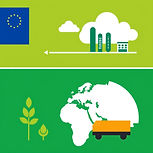
Carbon Border Regulations & Green Logistics
The European Union’s Carbon Border Adjustment Mechanism (CBAM) is reshaping trade worldwide — and its ripple effects are being felt in East Africa.

Certification, transparency, and ethical sourcing
Certification and transparency are not just about regulatory compliance — they’re about trust, reputation, and market differentiation.
Related content

Articles on Trade , Logistics and Market Trends
Staying current with trade, logistics and market-trend articles is essential in the global trade enviroment. They help to highlight emerging opportunities.

Sustainability
Investing in renewable energy, fair-trade supply chains, and eco-friendly packaging demonstrates that responsible trade is not only possible — it’s profitable.

Practical Advice & Tips for Firms and Traders
Shifting regulations, climate shocks, and changing demand patterns makes practical, actionable advice indispensable for firms and traders.

Success Stories & Case Studies
Success stories highlight achievements—moments where businesses, partnerships, or initiatives achieved outstanding results.

Innovation
Digital platforms are streamlining customs clearance, blockchain is enhancing supply chain transparency, and fintech solutions are simplifying cross-border payments.

Digital Tools Every Importer and Exporter Should Use
Digital transformation is accelerating. Businesses that adopt a small stack of tools can cut friction, speed payments, and reduce compliance risk.
Main categories

Global Trends: The New Architecture of International Trade
A complex interplay of geopolitical shifts and technological breakthroughs have fundamentally restructured how goods and services move across borders.

Boost Your Business Today
In today’s fast-paced world, growth is about more than just having a great idea — it’s about making the right connections, sharing knowledge, and creating opportunities.

Resources for Import & Export
Resources for Import & Export” brings together practical information and digital assets that help businesses navigate the complexities of international trade.