
Flexibility in Logistics & Inventory Strategies
Flexibility in logistics and inventory means designing your supply chain so it can change mode, source, timing and storage ...
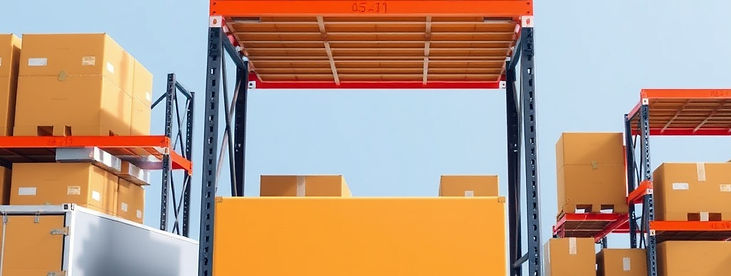
Flexibility in logistics and inventory has become essential for importers and exporters operating in today’s volatile trade environment. Disruptions such as shipping delays, geopolitical tensions, climate events, and fluctuating demand mean that companies can no longer rely on rigid supply chains. Instead, businesses increasingly design supply chains that can quickly adjust transport routes, inventory levels, and storage locations while keeping costs under control.
The three most applied concepts include: multi-modal routing (sea/rail/road), variable inventory policies (safety stock, prepositioned buffers, postponement), and contracts/IT that let you scale capacity up or down without long lead-times.
Multi-modal routing— the ability to shift goods between sea, rail, road, or air transport depending on price, urgency, or disruption risks. For example, an exporter shipping horticultural products from East Africa to Europe may normally use sea freight but switch part of the shipment to air cargo during port congestion or seasonal demand spikes. Importers benefit by avoiding costly delays and maintaining more reliable deliveries.
Variable inventory management: This includes maintaining safety stock, positioning buffer inventory closer to customers, or using postponement strategies where final packaging or assembly is delayed until demand becomes clearer. Instead of keeping large inventories everywhere, firms can strategically store products in regional hubs and replenish them dynamically. This reduces storage costs while improving responsiveness to market changes.
Flexible contracts and digital systems: Companies increasingly rely on cloud-based logistics platforms, real-time tracking, and scalable warehousing contracts that allow them to increase or reduce transport and storage capacity without long lead times. This improves planning accuracy and reduces operational risk.
Templates
Templates can also be very useful for traders. Standardized logistics, procurement, shipping, and inventory templates help companies respond faster and more consistently. Examples include shipment planning templates, supplier risk assessment forms, customs documentation templates, inventory forecasting models, and contingency-routing plans. Using templates improves coordination, reduces administrative errors, speeds up decision-making, and helps firms react more efficiently during supply-chain disruptions.
Recent Trends
Digital & IoT-enabled Logistics: In East Africa, logistics providers are increasingly using IoT sensors, AI route-optimization, and real-time tracking to monitor shipments (especially perishables) and react quickly to delays or temperature excursions.
Cold-chain Innovation: For East African exports like mangoes, pineapples, coffee, and flowers, solar-powered cold storage and AI-driven logistics planning are being deployed to reduce post-harvest losses and improve freshness for export.
Regional Diversification: To reduce reliance on long global routes, companies are building regional value chains within Africa, sourcing more locally, and holding buffer inventory in regional hubs to reduce vulnerability to long-haul disruptions.
Maritime Resiliency: Shipping companies are responding to disruptions — like those in the Red Sea — by rerouting around the Cape of Good Hope. While this raises cost and time, it is part of adaptive network strategies to maintain continuity.
Implications for Netherlands ↔ East Africa Trade
Dutch exporters of perishables or high-value goods can reduce risk by partnering with logistics providers in East Africa that use real-time tracking, allowing them to monitor shipments more closely and reallocate inventory when delays occur.
Importers in the Netherlands of East African produce (flowers, fruit, coffee) can encourage local producers to build and share cold-chain capacity, stabilising supply and reducing wastage.
Shared buffer stocks in regional East African hubs (e.g., in Kenya or Tanzania) mean that Dutch companies don’t need to rely only on end-of-season exports — inventory can smooth seasonal fluctuations or sudden trade slowdowns.
👉Call to Action
Set up a resilience logistics pilot: Dutch agri-exporters or importers should co-invest with East African partners in a cold-chain buffer hub in a regional logistics city (e.g., Mombasa, Nairobi).
Adopt smart-tracking: Encourage or require the use of IoT temperature tracking for all perishable exports from East Africa, and integrate those data flows with Dutch buyers’ systems.
Design an inventory diversification strategy: Map critical products and build buffer inventory in regional East African hubs and the Netherlands, calibrating stock based on stress-tested scenarios .
👉Join the Conversation
We invite you to share your insights, experiences, or questions on this evolving topic.
• Leave a comment in our discussion box
• Contribute to our blog section
• Or submit a detailed document (PDF) for review and publication consideration
Your input helps enrich the platform and provides valuable, practice-based perspectives for the wider business community.
Subtopics
More in this category

Scenario Planning & Stress Testing
Scenario planning is the structured creation of plausible futures to test how your supply chain performs.
Related content

Articles on Trade , Logistics and Market Trends
Staying current with trade, logistics and market-trend articles is essential in the global trade enviroment. They help to highlight emerging opportunities.

Understanding East African Customs Regulations
Navigating customs regulations is one of the biggest challenges forbusine sses trading between the Netherlands and East Africa

Practical Advice & Tips for Firms and Traders
Shifting regulations, climate shocks, and changing demand patterns makes practical, actionable advice indispensable for firms and traders.

Digital Tools Every Importer and Exporter Should Use
Digital transformation is accelerating. Businesses that adopt a small stack of tools can cut friction, speed payments, and reduce compliance risk.

Incoterms 2025 Explained (Infographic)
Incoterms (International Commercial Terms) define responsibilities between exporters and importers regarding delivery, risk, and costs

Lessons from a Dutch SME Importing East African Coffee
Companies that succeed in coffee exports combine quality sourcing, value-added relationships with cooperatives, and resilient logistics.
Main categories

Global Trends: The New Architecture of International Trade
A complex interplay of geopolitical shifts and technological breakthroughs have fundamentally restructured how goods and services move across borders.

Boost Your Business Today
In today’s fast-paced world, growth is about more than just having a great idea — it’s about making the right connections, sharing knowledge, and creating opportunities.

Resources for Import & Export
Resources for Import & Export” brings together practical information and digital assets that help businesses navigate the complexities of international trade.