
Growth in Emerging Regions
Recent economic dynamism is reshaping import demand and export potential. East African countries have seen robust urbanisation and sectoral diversification that created large market clusters.

Recent economic dynamism across East Africa is reshaping import demand and export potential. Countries like Kenya, Ethiopia, Tanzania and Rwanda have seen robust urbanisation and sectoral diversification, driven by infrastructure projects, FDI inflows into energy and manufacturing, and stronger regional trade frameworks. This growth is creating predictable, large market clusters—urban supermarkets, hospitality chains, agro-processors—that are now importers of processed foods, packaging, machinery and Dutch agri-inputs.
Key recent developments
Infrastructure push: Upgrades at Mombasa and regional corridor investments are speeding transit times and reducing costs for exporters to Europe and beyond, improving competitiveness for perishable Dutch imports (e.g., specialized machinery, inputs) and exports from East Africa (e.g., flowers, fresh produce). ScienceDirect
Alternative finance & partners: With China retrenching on some projects, East African governments are diversifying funding sources (UAE, multilateral lenders), which affects project timetables and opportunities for Dutch construction, engineering, and green-energy firms. Reuters
Netherlands ↔ East Africa implications
Dutch exporters should pivot from one-off commodity contracts toward multi-year supply and service agreements that support local processing or cold-chain development. East African buyers increasingly prefer suppliers who can provide training, after-sales, and finance partnerships.
For Dutch public and private investors, opportunities lie in renewable energy, cold storage, packaging plants, and urban logistics hubs that serve regional markets rather than just national borders.
👉Call to action
Launch a Netherlands-East Africa corridor audit (identify top 3 ports/rail hubs, lead transit times and cold-chain gaps).
Offer bundled Dutch solutions: equipment+ training + access to green finance (pilot with one partner country).
Use trade missions to target regional buyers (not only national capitals) and secure multi-year contracts that embed Dutch tech and services.
👉Join the Conversation
We invite you to share your insights, experiences, or questions on this evolving topic.
• Leave a comment in our discussion box
• Contribute to our blog section
• Or submit a detailed document (PDF) for review and publication consideration
Subtopics
More in this category

Changing Product Mix
East Africa’s export profile to Europe (and its import needs) is shifting from raw commodities to higher-value horticulture, processed foods, and certified agricultural products
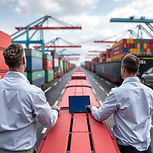
Services - The Next Frontier of Trade
Services trade is becoming a critical pillar of global commerce — and East Africa is emerging as a dynamic hub for digital, logistics, and creative services connecting to European markets.
Related content

Partnership as a growth strategy
Partnership as a growth strategy means using collaboration to accelerate market reach, capabilities, revenue, or customer trust faster than a company could achieve alone.

Importing Goods from the Netherlands: Formal Steps and Requirements
Through efficient ports, advanced transport systems, and strong international trade networks, Dutch exporters supply a wide range of high-quality goods.

Success Stories & Case Studies
For organizations and businesses interested in strengthening trade relations between the Netherlands and East Africa, these real-world narratives are not just informative—they are strategic assets.

Challenges and Emerging Success Patterns in East Africa–Netherlands Trade
Despite strong potential, companies face a combination of logistical, regulatory, and financial challenges that have intensified in recent years.

How to Export from East Africa to the Netherlands (PDF): Step-by-Step Guide
As a leading trade and logistics hubs, the Netherlands provides a strategic gateway to the wider European Union (EU), giving exporters access to more than 450 million consumers.
Main categories

Global Trends: The New Architecture of International Trade
In the global trade a complex interplay of geopolitical shifts, technological breakthroughs, and a new "green" mandate has fundamentally restructured how goods and services move across borders.

Boost Your Business Today
In today’s fast-paced world, growth is about more than just having a great idea — it’s about making the right connections, sharing knowledge, and creating opportunities.

Resources for Import & Export
Resources for Import & Export” brings together practical information and digital assets that help businesses navigate the complexities of international trade.