
Changing Product Mix
East Africa’s export profile to Europe (and its import needs) is shifting from raw commodities to higher-value horticulture, processed foods, and certified agricultural products
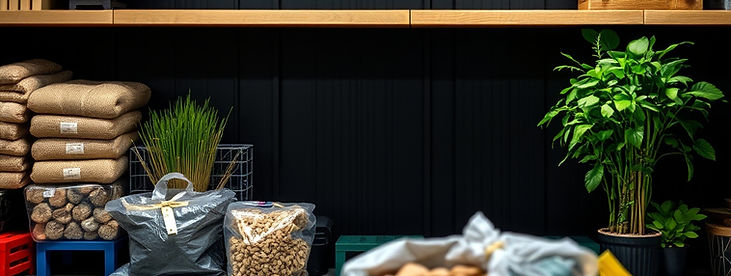
Trade between the Netherlands and East Africa is undergoing a structural transformation. For decades, East African exports to Europe were dominated by raw commodities such as coffee, tea, tobacco, and unprocessed agricultural goods. Today, however, the region is increasingly exporting higher-value horticultural products, processed foods, specialty ingredients, and certified agricultural products aimed at premium European consumers. At the same time, Dutch exports to East Africa are moving beyond traditional machinery and consumer goods toward advanced agri-tech, greenhouse systems, cold-chain infrastructure, sustainable packaging, and logistics solutions. This evolution is reshaping the commercial relationship into a more integrated value-chain partnership.
Recent trends
Several recent trends are accelerating this shift. Rising European demand for traceable, sustainably produced food has encouraged East African producers to upgrade standards and diversify exports. Kenya, Ethiopia, Tanzania, Rwanda, and Uganda are expanding exports of fresh flowers, avocados, herbs, berries, vegetables, macadamia nuts, and processed food products that meet EU certification requirements. European retailers increasingly require compliance with Global G.A.P., organic certification, carbon reporting, and traceability standards, pushing East African exporters toward higher-value production systems and more sophisticated supply chains.
The Netherlands occupies a strategic position in this transformation. As Europe’s leading agricultural logistics hub, the Netherlands acts as both a destination market and a gateway into the wider EU. Dutch ports, particularly Rotterdam, along with Schiphol Airport’s cargo infrastructure, play a central role in distributing East African perishables throughout Europe. Meanwhile, Dutch expertise in horticulture, greenhouse cultivation, seed technology, water management, and food logistics has become highly relevant to East Africa’s modernization ambitions. The Netherlands continues to position itself globally as a leader in technology-driven agriculture and sustainable food systems.
One of the clearest developments is the rapid expansion of cold-chain infrastructure. Exporting high-value perishables requires temperature-controlled transport, modern storage facilities, monitoring systems, and efficient border logistics. Dutch companies are increasingly supplying refrigeration systems, automated sorting and grading technologies, temperature-monitoring equipment, and sustainable packaging solutions to East African exporters. Investments in cold-chain logistics are becoming essential not only for reducing spoilage but also for meeting stringent European food safety requirements. Dutch expertise in efficient logistics and post-harvest handling is therefore becoming embedded within East African agricultural supply chains.
Sustainability is another major driver of change. European climate policies and consumer preferences are reshaping agricultural trade. East African exporters are under pressure to demonstrate lower carbon footprints, reduced food waste, responsible water usage, and recyclable packaging. Dutch firms specializing in circular agriculture, energy-efficient greenhouses, recyclable plastics, and sustainable packaging are finding growing demand across East Africa. The Netherlands has also adopted ambitious circular economy and sustainability policies, which increasingly influence its export industries and international partnerships.
Practical implications
The practical implications for bilateral trade are significant. First, trade is becoming more technology-intensive and knowledge-driven. Rather than simply importing raw commodities, Dutch firms are participating earlier in the agricultural value chain through partnerships, financing, training, and technology transfer. This creates longer-term commercial relationships instead of purely transactional trade flows.
Second, East African exporters are capturing more value locally through food processing, packaging, and branding. This contributes to industrialization, employment generation, and foreign exchange earnings within the region. Processed coffee, packaged fresh produce, dried fruits, edible oils, and specialty organic products are increasingly replacing bulk commodity exports.
Third, logistics and compliance capabilities are becoming competitive advantages. Companies that can meet European sustainability standards, ensure full traceability, and maintain efficient cold chains are better positioned to access premium EU markets. This creates opportunities for Dutch logistics providers, certification consultants, fintech firms, and agri-tech suppliers to expand their footprint in East Africa.
Finally, geopolitical and supply-chain considerations are strengthening the partnership. European businesses are seeking more diversified and resilient food supply chains following disruptions caused by the pandemic, climate volatility, and global shipping instability. East Africa’s growing agricultural capacity, combined with Dutch expertise in logistics and food systems, creates a complementary trade relationship with long-term strategic potential.
In effect, the Netherlands–East Africa trade corridor is evolving from a commodity-based exchange into a modern agri-food partnership centered on technology, sustainability, and integrated value chains. This shift is likely to deepen as both regions pursue food security, climate adaptation, and higher-value agricultural trade in the coming decade.
Call to action
Build “certification partnership” programmes—Dutch exporters partner with East African producers to finance certification and export upgrades (cost-share model).
Target grants/finance for cold-chain and processing plants through Dutch development funds/impact investors.
Create a matchmaking platform (Dutch agri-tech providers ↔ East African processors) to pilot five turnkey projects in the next 12–18 months.
Why It Matters
The world is moving from volume-based to value-based trade. Dutch and East African businesses that embrace innovation, sustainability, and consumer-focused design will lead the next wave of export growth.
💬 We invite your comments: Which emerging product trends are reshaping your export or import strategy?
👉 Join the Conversation
We invite you to share your insights, experiences, or questions on this evolving topic.
• Leave a comment in our discussion box
• Contribute to our blog section
• Or submit a detailed document (PDF) for review and publication consideration
Your input helps enrich the platform and provides valuable, practice-based perspectives for the wider business community.
Subtopics
More in this category

Growth in Emerging Regions
Recent economic dynamism is reshaping import demand and export potential. East African countries have seen robust urbanisation and sectoral diversification that created large market clusters.
Services - The Next Frontier of Trade
Services trade is becoming a critical pillar of global commerce — and East Africa is emerging as a dynamic hub for digital, logistics, and creative services connecting to European markets.
Related content

How to Contact & Evaluate Dutch Ex & Im – Practical Step-by-Step
Use this short workflow when approaching a Dutch exporter from East Africa (buyer, distributor, aggregator, or local partner)

Certification, transparency, and ethical sourcing
Certification and transparency are not just about regulatory compliance — they’re about trust, reputation, and market differentiation.

Articles on Trade , Logistics and Market Trends
Staying current with trade, logistics and market-trend articles is essential in the global trade enviroment. They help to highlight emerging opportunities.

EU Food Safety & Product Standards (Guide)
Exporting food or agricultural products to the Netherlands requires compliance with strict EU regulations designed to ensure consumer safety.

Practical Advice & Tips for Firms and Traders
Shifting regulations, climate shocks, and changing demand patterns makes practical, actionable advice indispensable for firms and traders.

Challenges & Success Stories in Cross-Continent Trade
The most successful players in Import & Export are those who treat trade as integrated product + logistics + finance exercises.
Main categories

Global Trends: The New Architecture of International Trade
A complex interplay of geopolitical shifts and technological breakthroughs have fundamentally restructured how goods and services move across borders.

Boost Your Business Today
In today’s fast-paced world, growth is about more than just having a great idea — it’s about making the right connections, sharing knowledge, and creating opportunities.

Resources for Import & Export
Resources for Import & Export” brings together practical information and digital assets that help businesses navigate the complexities of international trade.